Introduction
Hiking offers a unique opportunity to immerse oneself in the natural world, where local flora and fauna thrive. As you traverse various hiking trails, you’ll encounter an array of plant species and wildlife that can both inspire awe and intrigue. Understanding these local ecosystems not only enhances your outdoor experience but also fosters a greater appreciation for nature's diversity. This comprehensive guide aims to illuminate what you might see while hiking, providing insights into sustainable camping practices, gear recommendations, and essential survival skills along the way.
Local Flora and Fauna: A Guide to What You'll See While Hiking
As you step onto the trail, you’re entering a vibrant tapestry of life. From towering trees swaying in the breeze to small insects buzzing about, each element plays a crucial role in the ecosystem. Let’s explore some common plants and animals you might encounter on your next hiking adventure.
Understanding Local Flora: Types of Vegetation
When we think about local flora, it's critical to understand the different types of vegetation that inhabit our hiking trails. Here are some key categories:
1. Trees: The Giants of the Forest
Trees are often the most recognizable feature of any landscape. Depending on your location, you might come across:
- Deciduous Trees: These trees shed their leaves seasonally (e.g., oak, maple). Coniferous Trees: Known for their needle-like leaves and cones (e.g., pine, spruce). Fruit Trees: In certain areas, you may discover apple or cherry trees lining your path.
Each type plays its part in supporting local wildlife and maintaining ecological balance.
2. Shrubs: The Understory Guardians
Shrubs fill the spaces under taller trees, providing shelter for smaller animals. Common shrubs include:

- Blueberry Bushes: Not only do they provide delicious fruits but also attract various birds. Juniper: Often found in arid regions; its berries are favored by many species.
These shrubs contribute significantly to biodiversity and serve as essential food sources for animals.
3. Wildflowers: Nature's Color Palette
Wildflowers add splashes of color to any hike. Look out for:
- Buttercups: Bright yellow flowers that bloom in spring. Echinacea: Also known as coneflower, it attracts pollinators like bees and butterflies.
These blossoms aren’t just beautiful; they support vital pollinator populations.
Exploring Local Fauna: Wildlife You Might Encounter
While observing plants is fascinating, spotting wildlife can be exhilarating! Here's what you might find:
1. Mammals: The Forest Dwellers
Mammals vary across regions but include:
- Deer: Often seen grazing during dawn or dusk. Squirrels: Agile creatures that delight hikers with their playful antics.
These mammals play vital roles within their ecosystems—deer help manage plant growth while squirrels assist in seed dispersal.
2. Birds: The Skyward Singers
Birdwatching enhances any hike. Common birds include:
- Songbirds: Such as robins or sparrows singing their melodious tunes. Raptors: Eagles or hawks soaring high above searching for prey.
Birds indicate a healthy environment; their presence often means diverse habitats nearby.
3. Reptiles & Amphibians: The Hidden Gems
In more humid areas or near water sources:
- Frogs & Toads: Their croaks can be heard near lakes or streams. Snakes: Various species may inhabit trails; some are harmless while others may require caution.
Both groups contribute to pest control and indicate environmental https://rentry.co/auw4ruwe health through their presence or absence.
The Importance of Understanding Local Ecosystems
Recognizing local flora and fauna is more than just an enjoyable pastime; it’s an essential aspect of outdoor survival knowledge. Understanding these ecosystems helps hikers respect nature's balance while ensuring safe encounters with wildlife.
Camping Gear Insights for Nature Exploration
To make the most out of your hiking adventures while observing local flora and fauna, you'll need appropriate camping gear that aligns with your activities.
1. Essential Camping Gear Checklist
Before heading out on your hiking trip, consider packing these essentials:
| Gear Item | Purpose | |-------------------------------|-------------------------------------| | Four-season tents | Provides shelter in varying weather | | Portable camping gear | Lightweight options for easy transport | | Campfire safety equipment | Ensures safe cooking practices | | First aid kit | Prepares you for minor injuries |
Having the right gear can make all the difference when venturing into the wild!
2. Innovative Hot Tents for Unpredictable Weather
For those unpredictable weather patterns that can occur during hikes or camping trips, consider investing in innovative hot tents designed specifically for colder climates or unexpected rain showers!
Camping Tips for Observing Flora & Fauna
Navigating through nature requires a set of skills tailored toward preserving its beauty while ensuring personal safety.
1. Respect Wildlife Encounters
When observing wildlife:
- Maintain a safe distance—never approach wild animals. Avoid feeding them; it disrupts their natural behaviors.
Respecting wildlife ensures both human safety and animal welfare!
2. Leave No Trace Principles
Practicing eco-friendly camping techniques is essential:
- Pack out what you pack in—leave trails clean. Use biodegradable soaps when washing up outdoors.
By following sustainable practices, you're helping preserve habitats for future generations to enjoy!
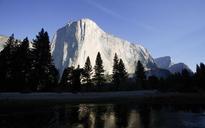
Photography in Nature: Capturing Local Flora & Fauna
Documenting your encounters with local flora and fauna adds richness to your hiking experience! Here are some tips to enhance your photography skills while outdoors:
1. Best Practices for Outdoor Photography
Capture stunning images by considering these techniques:
- Utilize natural light at dawn or dusk when colors pop! Focus on details—macro shots highlight intricate features like flower petals or insect wings.
Good photography showcases nature's wonder while creating lasting memories!
FAQs About Local Flora and Fauna
Q1: What should I do if I encounter wildlife on my hike?
A1: Stay calm and keep a safe distance from animals; observe quietly without disturbing them.
Q2: Can I forage plants during my hike?
A2: Only forage if you're knowledgeable about local species; some plants may be toxic!
Q3: How do I protect myself against ticks when hiking?
A3: Wear long sleeves/pants treated with repellents; check yourself regularly after hikes.
Q4: What's the best time of year for observing wildflowers?
A4: Spring typically yields vibrant blooms across many regions!
Q5: Are there specific trails known for abundant wildlife viewing?
A5: Research local parks—many have designated trails renowned for rich flora/fauna diversity!
Q6: Should I report unusual wildlife activity?
A6: Yes! Reporting sightings helps conservation efforts monitor populations effectively!
Conclusion
Embarking on a hiking journey unveils countless wonders tied to local flora and fauna—the delicate interplay between species creates an intricate web supporting life itself! By understanding this dynamic environment through proper preparations with camping gear insights alongside respectful observation practices—you'll enhance every outdoor adventure tenfold! So lace up those rugged footwear recommendations today; step outside into nature’s classroom where learning never ends!
In summary, whether you're seeking adventure through wilderness trekking or engaging in family camping tips—this guide serves as an invaluable resource encouraging eco-friendly practices while promoting awareness of our planet’s lush biodiversity! Happy hiking!